
Plesionika Narval; the Parapandolo Shrimp.
Among the many dive sites you can visit in the Marine Protected Area of Ustica, there is one in the south-western part of the island that has caught my attention for some time: the so-called “Grotta dei Gamberi” (Shrimp Cave). Inside this cave, among the many animal species you can find there, one is present in great quantity, populating every little nook of the cave: the Parapandolo shrimp. In this blog I’d like to share, in my own small way, some characteristics and interesting facts about the parapandolo shrimp, “Plesionika narval”.
Description of the Parapandolo Shrimp
The parapandolo, like every shrimp, is a decapod, belonging to the suborder of swimming decapods. It has 10 walking legs, or pereopods. The parapandolo is characterized by a pale red color with red and white longitudinal lines running the whole length of its body; its legs and antennae are bright red. The two front antennae are longer than its body, and the front legs are longer than the rear ones. The body can reach up to 16cm and is divided into three sections: head, thorax and abdomen, covered by a hard exoskeleton for protection. The rostrum (the frontal projection of the carapace) of the parapandolo is very long and thin, featuring 60 upper teeth and 50 lower teeth.
Habitat of the Parapandolo Shrimp
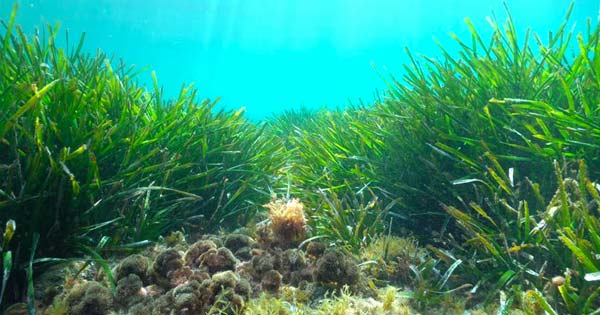
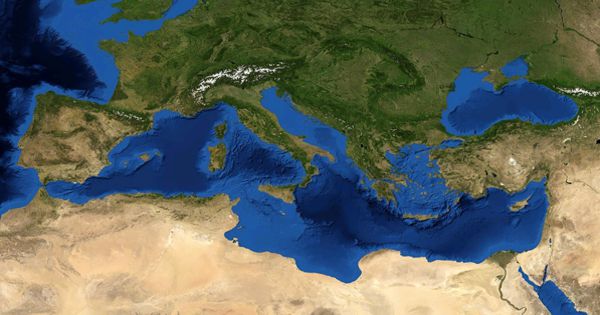
The Plesionika narval shrimp is a species found in the waters of the Atlantic and the Mediterranean Sea. Being a photophobic species, it lives at great depths, down to 900m, on sandy seabeds, or inside caves at shallower depths. In the Marine Protected Area of Ustica we can encounter it at several sites, especially while diving inside the Grotta dei Gamberi, which is in fact where it gets its name from.
Diet of the Parapandolo Shrimp
The parapandolo is practically omnivorous, meaning it feeds on other invertebrates or other animals that are already dead or dying, but it can also feed on plant matter. The parapandolo is able to detect the presence of prey thanks to its front antennae, which sense vibrations, and once it has found its meal, thanks to its sharp teeth, it begins to properly grind it up.
Reproduction of the Parapandolo Shrimp
Reproduction of the Plesionika narval shrimp occurs through fertilization immediately after mating. During mating the male positions himself with his belly over that of the female, who collects the sperm in special pouches. As the eggs are fertilized, they are deposited in the female’s tail fan, where they remain until hatching. Hatching takes anywhere from a few weeks to a few months depending on water temperature. Young parapandolo shrimp are not perfectly similar to the adult at birth, as they take on larval forms often quite different from their final form. The parapandolo can reproduce several times a year, but mating mainly occurs between spring and autumn, often in March.
Lifespan of the Parapandolo Shrimp
The lifespan of a Plesionika narval shrimp is relatively long, perhaps up to 7 years. However, the parapandolo has many enemies: from the forkbeard fish to humans. The Plesionika narval shrimp is in fact often found on restaurant menus. Its lifespan therefore also depends on the area where it lives, where a marine protected area contributes to the conservation of this species.
Fun facts about the Parapandolo Shrimp
– As it grows, the plesionika narval shrimp sheds its old shell several times and grows a new one. This process is called “ecdysis” and happens because the exoskeleton has a rigid structure. The tissues inside it, however, keep growing as the animal feeds, to the point that it no longer fits in the old shell and consequently changes it, especially in the early stages of life when growth is fastest.
– The parapandolo is often found inside moray eel dens, where it lives in symbiosis with them. It offers a cleaning service by eating all the food scraps.
– Female parapandolo shrimp carry between 1,000 and 9,000 eggs under their tail for just under two months before they hatch. They are easily recognizable by the purplish eggs found under their bodies.
At which dive sites can we encounter the Parapandolo Shrimp?
The Plesionika narval shrimp is a photophobic species that lives at depth or in caves. There are dive sites where it is easier to encounter them, such as:
In the Marine Protected Area of Ustica:
- Grotta dei Gamberi dive site
- Grotta dei Gamberetti dive site
- La Pastizza dive site
- Falconiera dive site
- Grotta delle Cipree dive site
In the Marine Protected Area of Isola delle Femmine:
- Canaloni dive site
Visiting some of these sites requires experience and specific training — for example, you need to be a PADI TEC Deep Diver to explore the famous Grotta dei Gamberi of Ustica, and admire the thousands of these little shrimp that cover every wall of the cave.
Andrea Denaro
PADI Divemaster in Training
Related news