
The importance of Marine Protected Areas for safeguarding our seas.
There is no doubt that today we are fully aware of the extreme need for protection and respect towards our planet, and in particular towards the oceans.
There are many negative factors influencing and transforming the oceans. Global warming, various forms of pollution, acidification and deoxygenation, overfishing, illegal fishing, and accidental catches of non-commercial species leading to loss of biodiversity.
The strong impact of human activity in the massive exploitation of fish stocks and other resources is irreversibly affecting the life of our seas and marine ecosystems.
We must remember that the oceans also act as climate regulators and directly influence the climate of our planet. An imbalance in this regulating power directly causes exceptional and catastrophic events such as floods, inundations, overflows, etc., which cause enormous tragedies for populations living near our seas.
Hence the need to pay attention to and safeguard the oceans from climate change and from humanity’s drive to exploit them.
The growing awareness of the need to protect the seas has increasingly pushed the scientific community, policymakers and institutions to find solutions.
A great opportunity and resource for safeguarding our seas are Marine Protected Areas (MPAs).
What are Marine Protected Areas?
They are extensive portions of sea, including the entire water column and the stretches of coastline that border them.
In these marine protected areas, human activities — such as fishing, swimming, boating, etc. — are regulated, and in some zones they are prohibited.
Marine protected areas are divided into zones, in what’s known as “zoning”. There are usually three zones, each with a different degree of protection and control.
Zone A: full reserve, where all activities that could cause damage or disturbance to the marine environment are prohibited. Zone A is the heart of the reserve, usually smaller in size, and accessible only for research activities.
Zone B: general reserve, where a limited range of activities is allowed, with sustainable, low-impact use of the marine environment. Zone B areas are also usually not very large.
Zone C: partial reserve, representing the buffer strip between the zones of greatest natural value; in this zone, recreational activities and sustainable use of the sea are allowed and regulated by the managing body, always with a modest environmental impact. The largest extent of a marine protected area generally falls within Zone C.
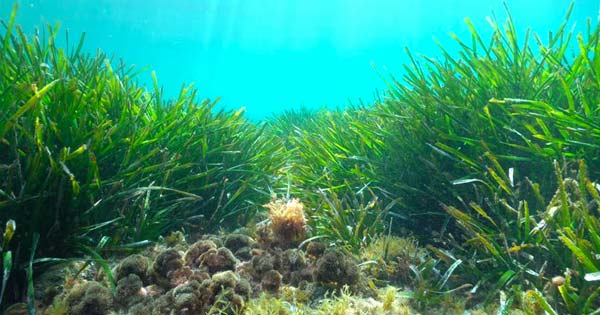
The fundamental purpose of establishing an MPA is to safeguard the flora, fauna, and marine ecosystems that make it up, as well as to protect local historical and cultural features, such as underwater archaeological sites.
Marine protected areas are a tool for managing and restoring marine ecosystems, and for studying and experimenting with how these areas can become sustainable for an eco-economy compatible with the exploitation of marine resources.
The importance of marine protected areas today is widely recognized at the scientific and political level, but also economically and socially. MPAs, in fact, represent a real resource for the socio-economic and cultural development of a territory, while respecting the protection and safeguarding of marine heritage.
In the most virtuous examples of careful MPA management, it has been observed that in most cases there has been a repopulation of many species, and even a return of species that had disappeared from those areas.
Consider that the increase in biodiversity is quite considerable and visible already just a few years after establishment. MPAs guarantee the various species a protected environment where they can live, grow and, above all, reproduce multiple times without being caught.
In a fully protected zone, we therefore see a considerable increase in biomass and a corresponding increase in fish density. The entire surrounding environment undeniably benefits, with the proliferation of flora and fauna triggering a system in that area that would otherwise have been lost.
It is clear that all this leads to a reversal of the trend of depopulation caused by the exploitation of those areas, where overfishing and high human impact negatively affect the maintenance of marine ecosystems.
An MPA thus becomes an important resource for the populations living in the areas where they are established, and only once full awareness of their importance is reached can residents see the results in terms of benefits to the environment, but also to the economy.
It is therefore of vital importance that MPAs are increasingly promoted, managed effectively, and supported by the residents and the businesses that operate around them.
We at Evasioni Blu Diving are convinced that the establishment of MPAs can bring many benefits, both to the marine environment and to the economy. Our hope is that all stakeholders involved recognize this importance, and that they see Marine Protected Areas not as a constraint or an obstacle to economic development, but as an opportunity.
Today we are pleased to see this conviction spreading, and how MPAs are proving to be a lifeline for the protection of marine ecosystems. So much so that various initiatives are underway to set ambitious goals and considerably increase the number of marine protected areas in Italy and around the world.
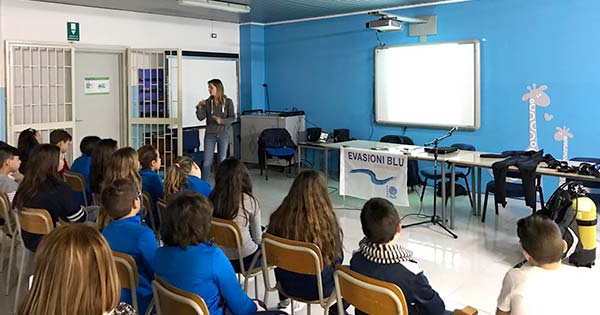
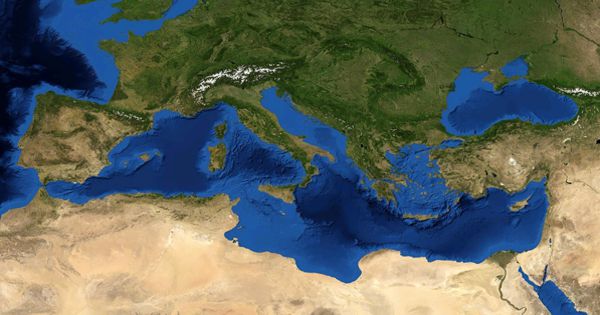
The privilege of operating as a dive center in Ustica, in one of the oldest Marine Protected Areas established in Italy, makes us proud to contribute to spreading awareness of its beauty and its importance as an institution. We are direct witnesses to the benefits that the marine protected area of Ustica has brought to the marine environment and to the conservation of many species found in the Mediterranean Sea.
As divers, we are direct witnesses to the changes taking place in the underwater environment; we are among the first to notice the benefits in terms of the presence and sightings of many fish species, and the perfect preservation of delicate environments.
A heritage of Ustica and of the people of Ustica who jealously guard it, all the operators in the tourism sector are tireless promoters around the world, and have seized the opportunity to develop sustainable tourism. Thanks to this, Ustica has for years been known as the diving capital of the Mediterranean. Having guarded and protected their sea — a primary source of income for many families on the island — has made it possible to generate that well-known virtuous circle of sustainable exploitation.
Today the Marine Protected Area of Ustica is experiencing a period of renewal, and is looking to the future with the conviction that a sustainable opportunity can continue to be developed, with full respect for everyone and, above all, for our beloved sea!
Related news